Understanding how gambling affects the mind a psychological exploration
The Allure of Gambling
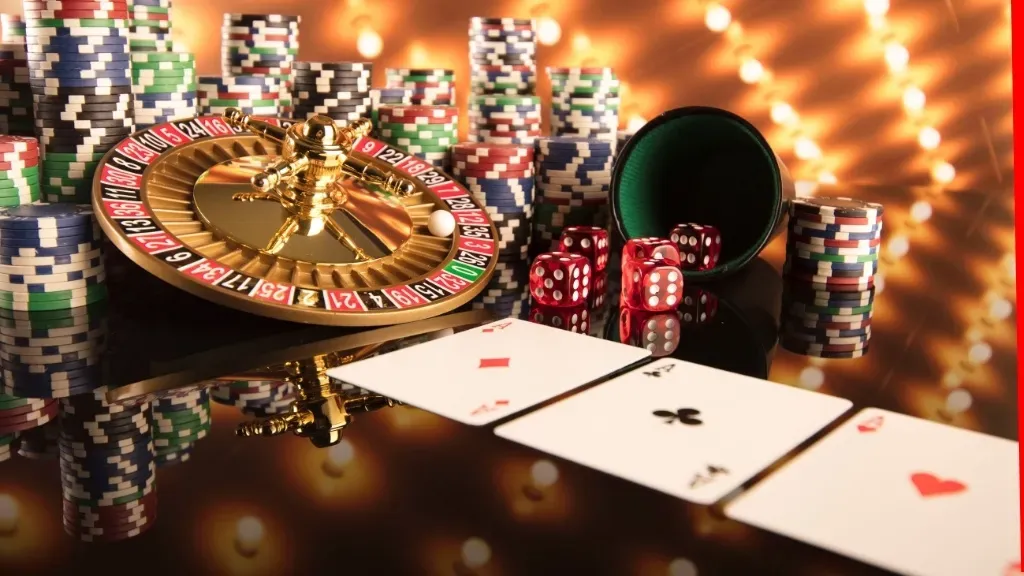
The thrill of gambling is often driven by the anticipation of winning and the excitement of risk-taking. Many individuals are drawn to the allure of the casino, where flashing lights and vibrant sounds create an environment that stimulates the senses. This sensory overload can heighten emotional responses, making gambling an appealing escape from everyday life. Those interested in finding low-risk ways to start betting might consider the betting sign up offers available through various platforms. The chance to win big money can create a euphoric feeling, reinforcing the desire to play again.

This psychological phenomenon, known as “near misses,” can also contribute to the compulsive nature of gambling. When players come close to winning, it can foster a belief that success is just around the corner, encouraging them to keep betting despite losses. Such cognitive distortions can cloud judgment and lead to a cycle of repeated behavior, often with detrimental consequences.
Psychological Effects of Gambling
The psychological effects of gambling can vary widely among individuals, with some experiencing pleasure and others facing addiction. For many, gambling serves as a form of entertainment or social interaction. However, the thrill can quickly turn into an obsession, leading to serious mental health issues such as anxiety, depression, and stress-related disorders. The unpredictable nature of gambling can exacerbate these feelings, creating a vicious cycle that is hard to escape.
Moreover, the stigma associated with problem gambling often prevents individuals from seeking help. Many suffer in silence, grappling with feelings of shame and guilt. Understanding these psychological dynamics is crucial for developing effective interventions and support systems for those affected by gambling addiction.
The Role of Cognitive Biases
Cognitive biases play a significant role in how individuals perceive gambling outcomes. Gamblers often fall prey to the illusion of control, believing they can influence the outcome of games through their skills or strategies. This misconception can lead to risky betting behavior and an unwillingness to acknowledge losses. Additionally, the gambler’s fallacy—the belief that past events affect future probabilities—can distort decision-making processes and lead to further financial losses.
The tendency to remember wins while forgetting losses can further reinforce a gambler’s desire to continue playing. These cognitive biases are not merely individual errors in judgment but are deeply rooted in psychological processes that shape how we evaluate risks and rewards. Understanding these biases is essential for developing healthier gambling habits and strategies.
The Impact on Relationships
Gambling can have profound effects on personal relationships, often leading to tension and conflict within families. The time and money spent on gambling can create a rift between partners and friends, leading to feelings of betrayal and mistrust. As gambling habits worsen, individuals may isolate themselves from loved ones, prioritizing their gambling over interpersonal connections.
Additionally, financial strain due to gambling can result in significant stress for both the gambler and their family. Discussions about money become fraught with anxiety, and the emotional toll can lead to breakdowns in communication. Addressing these relational impacts is vital for fostering a supportive environment for recovery and healing.
Expert Insights and Resources
At our website, we provide a wealth of information aimed at helping individuals navigate the complex world of gambling. Whether you’re a novice bettor looking to understand the basics or an experienced player seeking advanced strategies, our expert reviews and comprehensive guides can assist you in making informed decisions. We believe that knowledge is the key to minimizing risks while maximizing enjoyment.
By exploring the psychological aspects of gambling, we empower our users to develop healthier betting habits and recognize the signs of problem gambling. Join our community and take advantage of the resources we offer to enhance your understanding and experience with gambling responsibly.