Divorce is rarely easy. Whether you’re ending a brief marriage or splitting years of shared property, comprehending Michigan divorce regulations helps you come close to the process with clarity and control. If you stay in Oakland Area or Wayne Area, it’s particularly helpful to understand how neighborhood court procedures might influence your situation.
Listed below, we’ll break down exactly how to apply for separation in Michigan, what to get out of the divorce process, how much it might cost, and why having a seasoned family regulation attorney in your corner can make all the difference.
How Divorce Works in Michigan
Michigan is a no-fault separation state, suggesting neither spouse needs to confirm misbehavior to file. The only legal need is that one event indicates that there has been an overall breakdown of the marriage, and there’s no affordable opportunity of reconciliation.
That simple declaration begins a complicated process involving residential or commercial property division, kid custodianship, and in some cases spousal assistance, depending on your scenarios.by link Pc 591 Michigan website
How to Apply for Separation in Michigan: Detailed
If you’ve decided to file, your initial step is to submit a problem for Separation in the Circuit Court of the area where you or your spouse lives. In Michigan, that’s the Family members Division of the Circuit Court.
So, if you live in Oakland Region, you would certainly file at the Oakland Region Circuit Court in Pontiac; if you reside in Wayne County, you ‘d submit at the Wayne Region Clerk’s Office in the Coleman A. Young Municipal Center, Detroit.
Action 1: Examine Residency
You must meet Michigan’s residency requirements before declaring:
- You (or your partner) have to have resided in Michigan for at least 180 days before declaring.
- You must have lived in your current region for at least 10 days before filing.
If those boxes are checked, you’re eligible to start.
Action 2: Prepare the Paperwork
You can obtain separation kinds from:
- The clerk’s workplace at your county courthouse
- The State of Michigan HHS site
- Your divorce lawyer
The core files include:
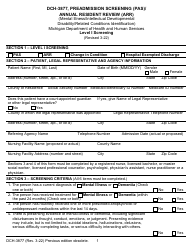
- A Grievance for Divorce (the main request)
- A Summons
- A Document of Divorce or Annulment
- A Confidential Situation Inventory (if small youngsters are entailed)
If you have minor children, added kinds about guardianship and support will be needed. You’ll require to fill up these out completely and properly prior to declaring.
Action 3: Submit the Complaint
Bring your finished types to the Circuit Notary’s workplace. Once submitted, the court will certainly assign your situation a number and a judge.
Step 4: Offer Your Spouse
After filing, you have to legally offer your partner with duplicates of the documents. That can either be done in person by someone over 18 that is not associated with the case or by certified mail. Have a look at our overview on offering separation documents to find out more.
You’ll then submit an evidence of service with the court.
Tip 5: Wait On a Response
Your spouse (the ‘accused’) has:
- 21 days to react if served face to face, or
- 28 days if offered by mail or out of state.
If they don’t respond, you can request a default judgment. If they do, your instance progresses towards arbitration or test, depending upon whether it’s disputed or uncontested.
Do You Required an Attorney to Apply For Divorce?
No, you’re not legitimately required to employ an attorney to begin a separation in Michigan, however many people do as soon as documentation or residential or commercial property issues obtain complicated. While you can constantly apply for yourself without legal depiction (pro se), doing so puts you in danger.
Also a tiny oversight in the papers, submitting procedure, or required disclosures can delay your case, impact protection decisions, or bring about an unjust department of properties. Without legal guidance, it’s likewise easy to misunderstand your civil liberties, ignore financial responsibilities, or accept terms that don’t serve your long-term passions.
Threats of Filing a Separation Pro Se
- Property Division Errors: You might underestimate, leave out, or misclassify marriage property.
- Protection Difficulties: Incomplete or vague parenting strategies can cause disagreements or court hold-ups.
- File Mistakes: Inaccurate forms or missing out on details can reduce or endanger your situation.
- Financial Oversights: Without legal input, it’s very easy to miss concealed debts or future obligations.
- Legal Bad moves: Misunderstanding state laws may restrict your legal rights or avoid correct enforcement.
- Missed Out On Target dates: Filing late or in the wrong place can postpone procedures or result in dismissal.
- Unreasonable Arrangements: You might consent to terms that drawback you long-term without recognizing it.
Always Opt For a Lawyer
An attorney will help you full kinds appropriately, ensure all due dates are fulfilled, and battle to secure your legal rights from the first day. They’re your companion throughout the divorce hearings, and include knowledge and experience in tackling such cases. Divorce lawyers help protect you from any type of costly mistakes during the proceedings.
At The Rubinstein Law Office, we commonly start helping clients before they submit. That very early guidance protects against blunders that can postpone the procedure or influence home and wardship results later.
How Much Does a Divorce Expense in Michigan?
There’s no one-size-fits-all answer, however anticipate to pay $175-$255 in court declaring costs, plus attorney’s charges based on the situation’s complexity.
Boost when conflicts occur over properties and financial obligations, custodianship and parenting time, or building negotiation arrangements. A competent lawyer can help you recognize where to streamline paperwork, stay clear of unneeded hearings, and reach a resolution effectively, saving both money and time.
Michigan Separation Timelines: For How Long Does the Process Take?
The fastest possible waiting period for a separation without small kids is 60 days. If small youngsters are entailed, the state imposes a 180-day waiting duration to allow time for parenting plans and guardianship agreements.
That stated, the total timeline of separation procedures differs extensively based upon:
- Whether the instance is objected to
- How rapidly spouses can agree on divisions of property and parenting time
- The court’s organizing stockpile
Situations entailing children typically take numerous months or even more, depending upon intricacy and cooperation in between celebrations.
What Happens Throughout the Waiting Period
While you’re waiting, a number of points can occur relying on the intricacy of your situation:
- Short-lived orders might be released for kid support, parenting time, or use of marital home.
- You and your spouse (via your attorneys or mediators) can negotiate settlements on building division, custody, and financial resources.
- If disputes stay, your instance might relocate to arbitration or a court hearing before the assigned court.
In a lot of uncontested divorces, pairs settle on all major problems and only need a brief court appearance (or none whatsoever) prior to a final judgment is entered.
In opposed cases, specifically those including children or significant property, the procedure can take a number of added months – or longer if trial dates are delayed.
Neighborhood Timelines: Oakland & Wayne Region
Both the Oakland and Wayne Area Circuit Courts adhere to the same Michigan separation laws, however their situation volume and scheduling can influence timing.
Oakland County’s family division usually moves situations effectively, usually scheduling very early arbitration. Wayne Region’s docket is much heavier, so listening to dates might take longer to protect, yet positive situation management by your attorney can assist keep things on the right track.
How Michigan Divorce Judiciaries Deal With Divisions of Home & Wardship
Our Oakland and Wayne County separation attorneys have years of experience navigating the ins and outs of intricate instances. We’ll defend you to get your rightful share every action of the method, with a complete understanding of just how the courts generally approach divorces.
Separating Residential Property & Possessions
Michigan follows the rule of equitable distribution, meaning home isn’t automatically split 50/50. Rather, the goal is to divide it relatively based upon each spouse’s scenario.
Courts consider aspects such as:
- The size of the marriage
- Each spouse’s payment to marital residential or commercial property
- Everyone’s earning capacity
- Any different building possessed before marriage
Marriage properties may include your home, retirement accounts, automobiles, or other collectively obtained building. Juries go for fairness, not exact equality.
Guardianship & Parenting Time
When minor kids are involved, courts prioritize their benefits. Michigan courts encourage joint protection arrangements whenever possible, promoting regular parenting time for both moms and dads.
Variables influencing custodianship choices consist of the psychological ties between parent and youngster, security of the home atmosphere, and each moms and dad’s desire to sustain the various other’s partnership with the child.
When to Employ a Divorce Attorney
Even in an uncontested separation, Michigan’s step-by-step needs and waiting durations can create complication. An experienced attorney works hard to safeguard your legal rights when dividing home, negotiating parenting time, or filing activities with the court.
At The Rubinstein Law Office, our family regulation lawyers take an individual method to every separation instance, taking care of documents quickly, preserving open communication, and relocating cases onward rapidly so our clients can begin the following chapter of their lives.
All set to Take the Following Action?
If you’re declaring separation in Oakland Region or Wayne Area, obtain simple lawful suggestions before you begin. The Rubinstein Law office offers free assessments to evaluate your alternatives, discuss what to anticipate, and assist you get ready for every step in advance.